
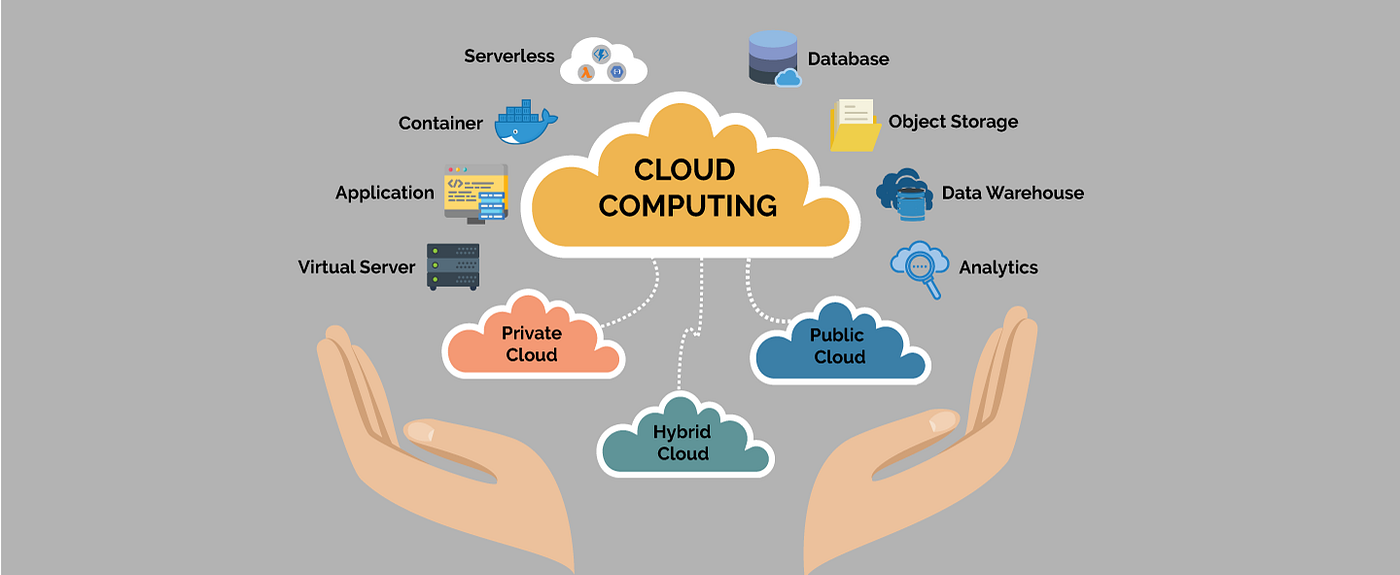
Cloud computing has revolutionized the way individuals, businesses, and organizations use technology. Instead of relying on physical hardware and local servers, cloud computing allows users to access computing resources over the internet. From data storage and software applications to artificial intelligence and enterprise systems, cloud computing has become the foundation of modern digital infrastructure.
In this comprehensive guide, we will explore cloud computing in detail, including its meaning, types, tools, benefits, applications, security, challenges, and future trends. Whether you are a beginner or a tech professional, this blog will help you understand why cloud computing is one of the most important technologies in today’s digital world.
What Is Cloud Computing
Cloud computing is the delivery of computing services such as servers, storage, databases, networking, software, analytics, and intelligence over the internet. These services are provided on demand, allowing users to pay only for what they use.
Instead of owning and maintaining physical hardware, users can access cloud resources remotely. This model offers flexibility, scalability, and cost efficiency. Cloud computing keywords include cloud technology, cloud services, online computing, virtual servers, and cloud platforms.
Evolution of Cloud Computing
The concept of cloud computing evolved from earlier technologies such as grid computing and virtualization. Initially, cloud services focused on basic storage and hosting. Over time, advancements in internet speed, data centers, and software architecture expanded cloud capabilities.
Today, cloud computing supports advanced workloads such as artificial intelligence, big data analytics, machine learning, and Internet of Things applications. It has become an essential part of digital transformation across industries.
Types of Cloud Computing
Cloud computing can be categorized into different models based on deployment and service offerings.
Deployment Models of Cloud Computing
Public cloud services are provided by third-party vendors and shared among multiple users. Private cloud services are dedicated to a single organization and offer greater control and security. Hybrid cloud combines public and private cloud environments, allowing data and applications to move between them.
Multi-cloud strategies involve using multiple cloud providers to reduce dependency and improve resilience.
Service Models of Cloud Computing
Infrastructure as a Service provides virtualized computing resources such as servers and storage. Platform as a Service offers development platforms and tools for building applications. Software as a Service delivers applications over the internet without requiring installation.
These cloud service models support different business and technical needs.
Key Features of Cloud Computing
Cloud computing offers several defining features that make it powerful and versatile. On-demand self-service allows users to access resources instantly. Scalability enables systems to handle increasing workloads without performance issues.
High availability ensures services remain accessible even during failures. Resource pooling optimizes usage across multiple users. Measured services allow users to pay based on consumption.
These features make cloud computing efficient and cost-effective.
Benefits of Cloud Computing
Cloud computing provides numerous advantages for individuals and organizations. Cost savings are achieved by eliminating hardware expenses and reducing maintenance costs. Scalability allows businesses to grow without infrastructure limitations.
Cloud services improve collaboration by enabling remote access to data and applications. Automatic updates ensure users always have the latest features and security patches.
Flexibility and speed make cloud computing ideal for modern digital environments.
Cloud Computing in Business
Businesses use cloud computing to improve efficiency, agility, and innovation. Cloud-based systems support remote work, global collaboration, and digital operations.
Enterprise cloud tools manage customer data, financial systems, supply chains, and analytics. Startups benefit from cloud computing by launching products quickly without heavy upfront investment.
Cloud technology enables businesses to adapt to changing market demands.
Cloud Computing in Education
Educational institutions use cloud computing to support online learning, digital classrooms, and resource sharing. Cloud-based learning management systems allow students and teachers to access materials anytime.
Cloud tools support collaboration, research, and virtual labs. Education technology powered by the cloud makes learning accessible and flexible.
Cloud computing enhances the educational experience for learners worldwide.
Cloud Computing in Healthcare
Healthcare organizations rely on cloud computing for data storage, patient management, and analytics. Cloud platforms support electronic health records, telemedicine, and remote monitoring.
AI-powered healthcare tools often run on cloud infrastructure. Cloud computing improves data accessibility, security, and scalability in healthcare systems.
Cloud technology helps improve patient care and operational efficiency.
Cloud Computing and Big Data
Big data processing requires powerful computing resources, which cloud computing provides. Cloud platforms handle massive datasets and support advanced analytics.
Organizations use cloud-based big data tools for data visualization, predictive analytics, and business intelligence. Cloud computing enables real-time insights and data-driven decision-making.
Big data and cloud computing work together to unlock valuable insights.
Cloud Computing and Artificial Intelligence
Artificial intelligence relies heavily on cloud computing for processing power and storage. Cloud platforms provide scalable infrastructure for training and deploying AI models.
AI services such as machine learning, natural language processing, and computer vision are commonly offered through cloud providers. This makes AI accessible to businesses of all sizes.
Cloud computing accelerates AI innovation and adoption.
Cloud Security and Privacy
Shared responsibility models define security roles between providers and users. Organizations must manage identity, access, and data protection.
Cloud security tools help protect sensitive information and ensure compliance with regulations.
Challenges of Cloud Computing
Despite its advantages, cloud computing has challenges. Data privacy concerns arise when sensitive information is stored remotely. Downtime and service outages can affect availability.
Vendor lock-in can limit flexibility when relying on a single provider. Compliance and regulatory requirements may complicate cloud adoption.
Understanding these challenges helps organizations implement cloud solutions effectively.
Cloud Computing for Developers
Developers benefit greatly from cloud computing. Cloud platforms provide development tools, testing environments, and deployment pipelines.
DevOps practices are supported through cloud automation and continuous integration tools. Developers can build, test, and scale applications faster.
Cloud computing empowers software development and innovation.
Cloud Computing for Startups
Startups use cloud computing to reduce costs and accelerate growth. reflecting of resources allows startups to scale as their user base grows.
Cloud platforms support experimentation and rapid iteration. This flexibility helps startups compete with established companies.
Cloud computing levels the playing field for innovation.
Cloud Computing and Remote Work
Remote work relies heavily on cloud computing. Cloud-based tools enable communication, file sharing, and collaboration from anywhere.
Organizations use cloud platforms to support distributed teams and flexible work arrangements. Cloud technology ensures productivity and continuity.
Remote work has become a standard practice due to cloud computing.
Cloud Computing and the Internet of Things
IoT devices generate large volumes of data that require cloud processing. Cloud platforms collect, store, and analyze IoT data.
Real-time monitoring and automation are made possible through cloud-based IoT tools. Smart homes, cities, and industries rely on cloud computing.
Cloud and IoT together enable connected ecosystems.
Future Trends in Cloud Computing
The future of cloud computing includes edge computing, serverless architecture, and AI-driven cloud management. These innovations improve performance and efficiency.
Sustainable cloud practices focus on energy efficiency and carbon reduction. Hybrid and multi-cloud strategies will continue to grow.
Cloud computing will remain central to digital transformation.
How to Choose the Right Cloud Computing Solution
Choosing the right cloud solution depends on business needs, budget, and technical requirements. Factors include performance, security, compliance, and support.
Understanding service models and deployment options helps users make informed decisions. Planning and evaluation are key to successful cloud adoption.
Skills Needed for Cloud Computing
Cloud computing creates demand for new skills. Understanding cloud architecture, security, and services is essential for IT professionals.
Certification programs and online courses help individuals build cloud expertise. Continuous learning is important in this evolving field.
Cloud skills open career opportunities.
Cloud Computing and Digital Transformation
Digital transformation relies on cloud computing as a foundation. Cloud platforms enable innovation, agility, and scalability.
Organizations use cloud technology to modernize systems and deliver better customer experiences. Cloud computing supports long-term growth and resilience.
Transformation starts with the cloud.
Conclusion
Cloud computing is one of the most important technologies of the modern digital era. It has changed how data is stored, applications are built, and businesses operate. With its flexibility, scalability, and cost efficiency, cloud computing supports innovation across industries.
From healthcare and education to artificial intelligence and IoT, cloud computing is at the center of digital transformation. While challenges exist, proper planning and security practices ensure successful adoption.
As technology continues to evolve, cloud computing will remain a key driver of progress, enabling a smarter, more connected digital future.